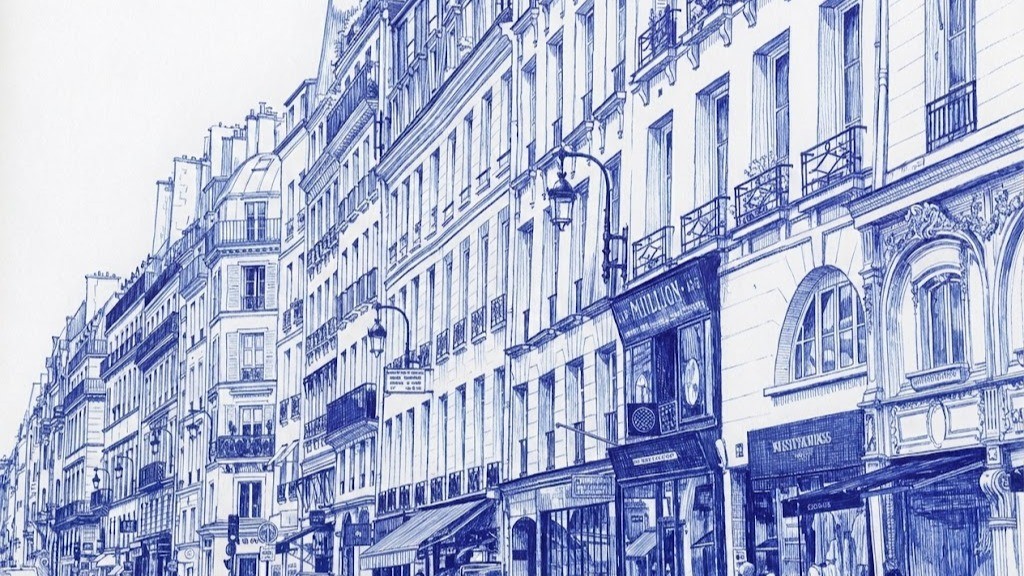
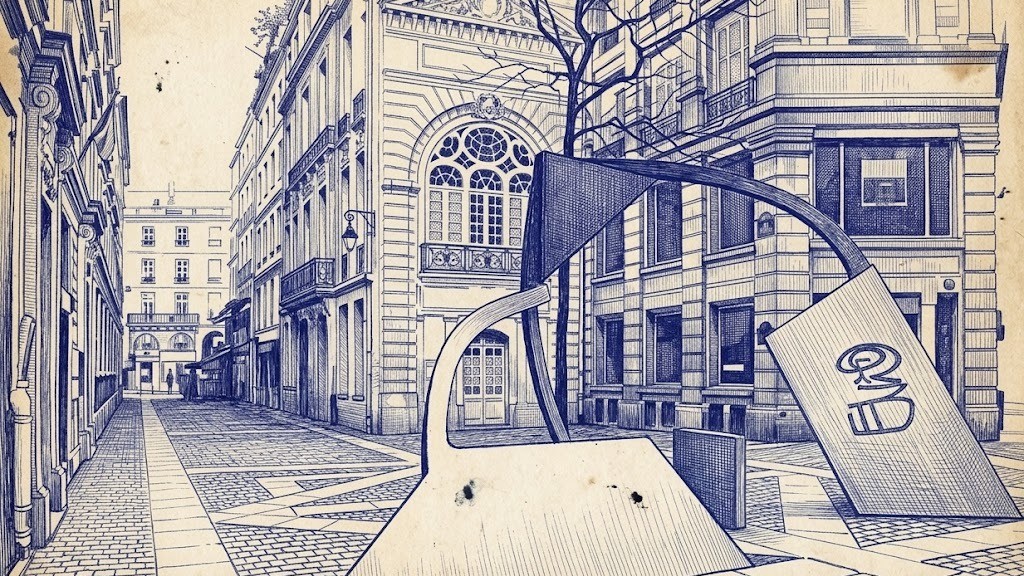
Rue Dussoubs: The Republican Martyr, the Coup of 1851 and a Street Named for Political Sacrifice
Rue Dussoubs : Le martyr républicain, le coup d'État de 1851 et une rue nommée pour le sacrifice politique
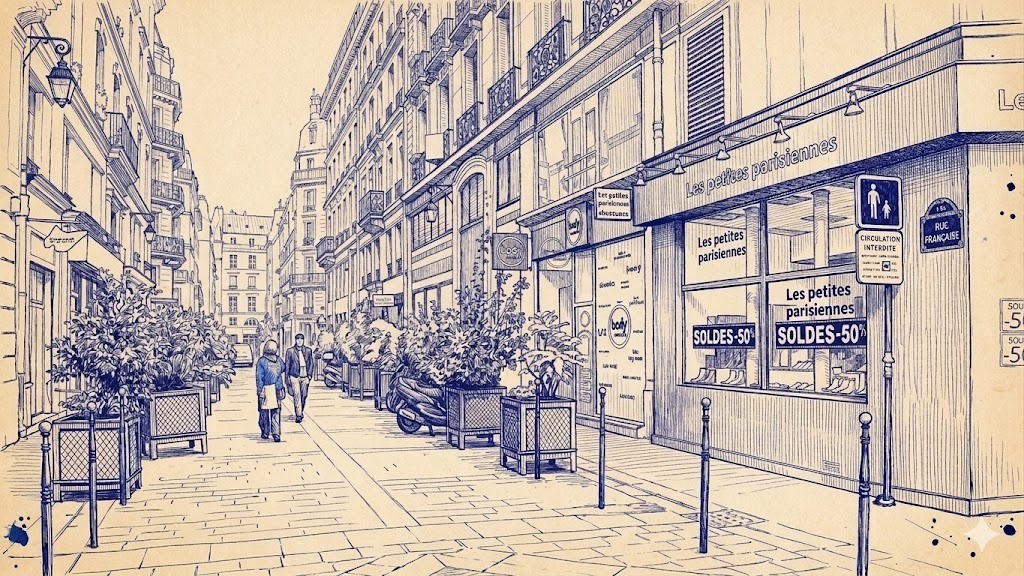
Rue Française: The Most Patriotic Name in the Arrondissement and a Street of Ancient Commercial Identity
Rue Française : Le nom le plus patriotique de l'arrondissement et une rue à l'identité commerciale ancienne
Rue Palestro: The Battle in Algeria, Napoleon III's Naming and the Eastern Sentier's Quietest Street
Rue Palestro : La bataille en Algérie, la toponymie de Napoléon III et la rue la plus tranquille du Sentier oriental
Rue des Petits-Carreaux: The Small Tiles, the Market Tradition and a Street of Living Commerce
Rue des Petits-Carreaux : Les petites tuiles, la tradition marchande et une rue de commerce vivant
Rue Blondel: The Architect of the Porte Saint-Denis, His Street and a Legacy in Stone
Rue Blondel : L'architecte de la porte Saint-Denis, sa rue et un héritage de pierre
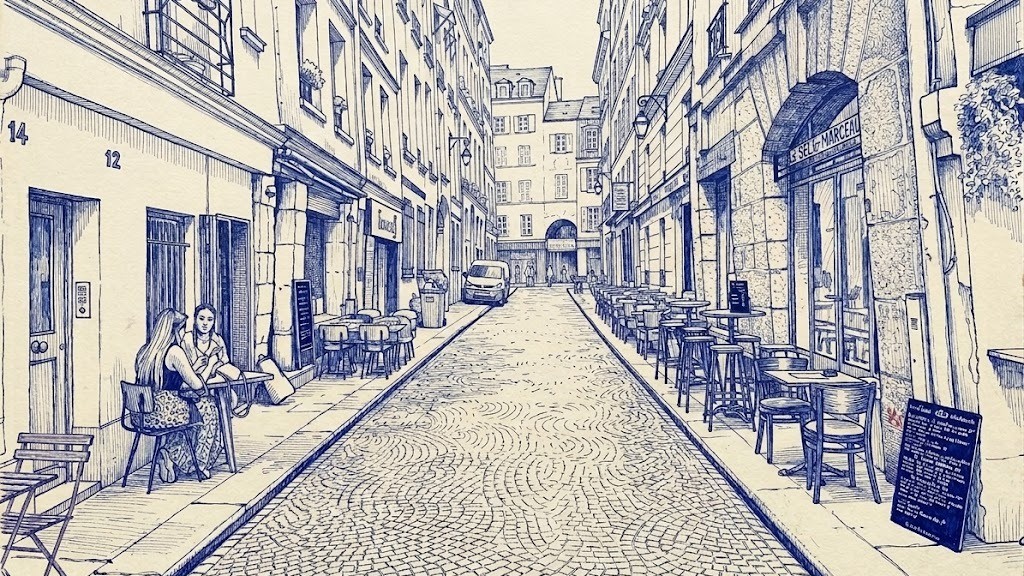
Rue Greneta: A Medieval Name Without a Clear Origin and a Street at the Crossroads of Three Worlds
Rue Greneta : Un nom médiéval sans origine claire et une rue au carrefour de trois mondes
Rue des Degrés: The Shortest Street in Paris and the Most Extraordinary Address in the 2nd Arrondissement
Rue des Degrés : La rue la plus courte de Paris et l'adresse la plus extraordinaire du 2e arrondissement
Rue de la Jussienne: The Lost Chapel, the Corn Market and a Street of Forgotten Commerce
Rue de la Jussienne : La chapelle disparue, le marché au blé et une rue d'un commerce oublié
Rue Léopold-Bellan: The Mayor Who Built His District and a Street of Civic Memory
Rue Léopold-Bellan : Le maire qui a construit son arrondissement et une rue de mémoire civique
Rue Mandar: The Architect of Passages, His Street and the Covered Arcade Legacy
Rue Mandar : L'architecte des passages, sa rue et l'héritage de l'arcade couverte
Rue de la Lune: The Moon, the Northern Sentier and a Street of Singular Poetic Identity
Rue de la Lune : La lune, le nord du Sentier et une rue à l'identité poétique singulière
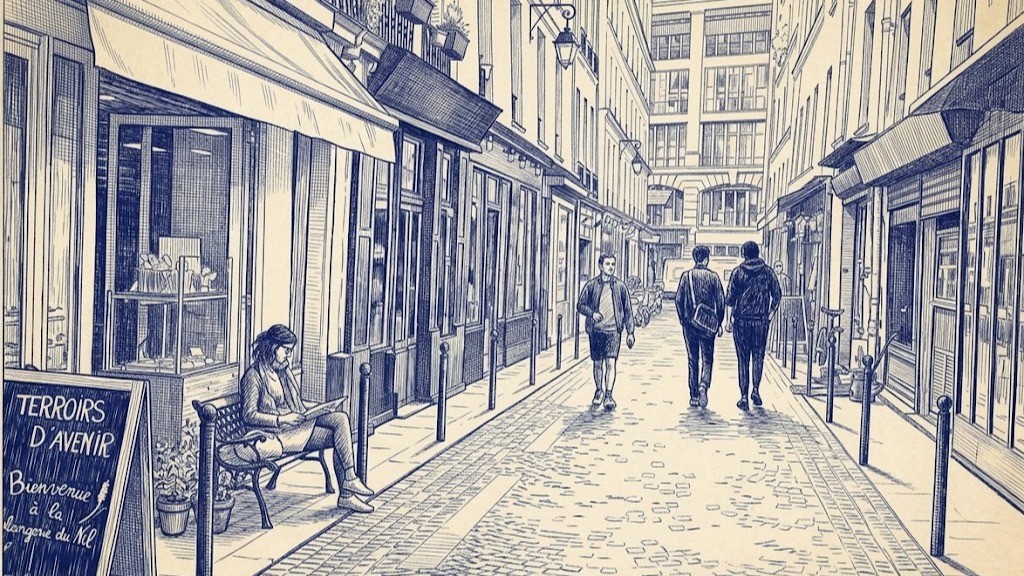
Rue du Nil: Napoleon's River, the Food Revolution and Paris's Most Celebrated Dining Street
Rue du Nil : Le fleuve de Napoléon, la révolution gastronomique et la rue culinaire la plus célébrée de Paris
Rue Marie-Stuart: The Queen of Scots, the Linen Trade and a Medieval Street Hiding in Plain Sight
Rue Marie-Stuart : La reine d'Écosse, le commerce du linge et une rue médiévale cachée à la vue de tous
Rue des Filles-Saint-Thomas: The Convent, the Bourse and a Street of Institutional Transformation
Rue des Filles-Saint-Thomas : Le couvent, la Bourse et une rue de transformation institutionnelle
Rue Tiquetonne: A Medieval Name, a Fashion Village and the Most Intimate Street in the Southern Sentier
Rue Tiquetonne : Un nom médiéval, un village de la mode et la rue la plus intime du sud du Sentier
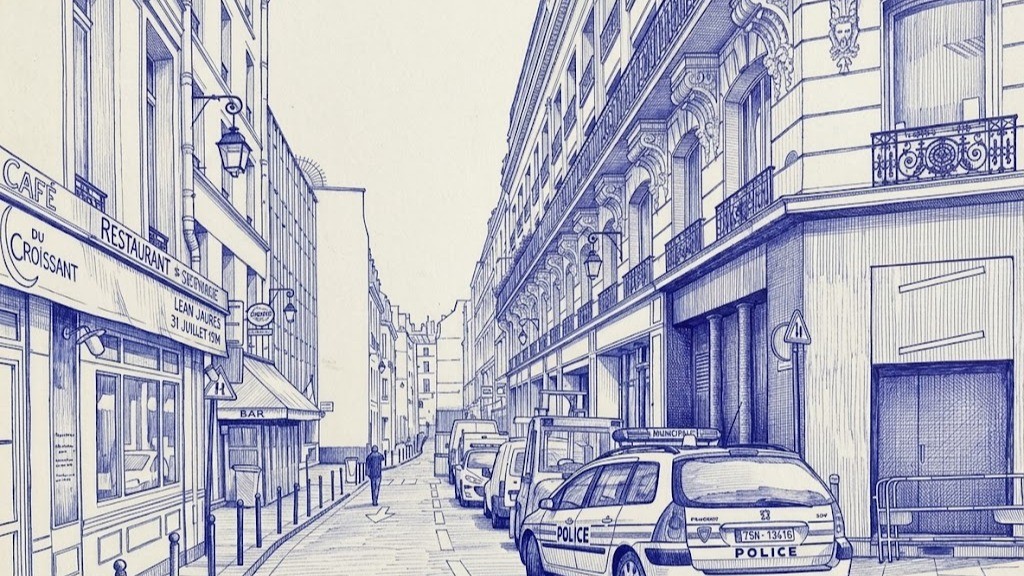
Rue du Croissant: The Moon, the Newspaper Trade and the Night Capital of the Parisian Press
Rue du Croissant : La lune, le commerce de la presse et la capitale nocturne de la presse parisienne
Rue de la Banque: The Name Says Everything and the Street Delivers
Rue de la Banque : Le nom dit tout et la rue tient ses promesses
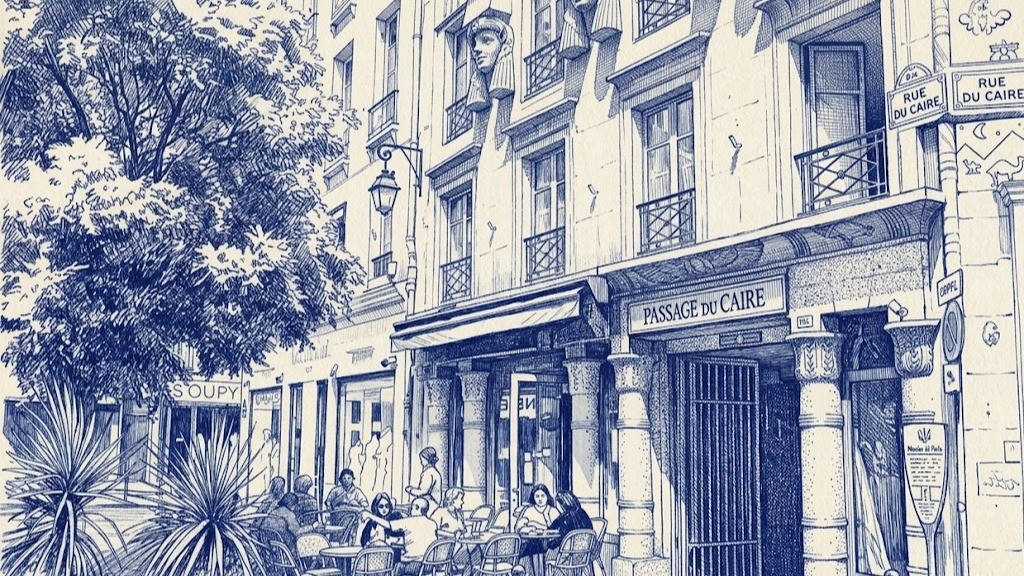
Rue du Caire: Egyptomania, the Oldest Passage in Paris and the Heart of the Orientalist Sentier
Rue du Caire : L'Égyptomanie, le plus ancien passage de Paris et le cœur du Sentier orientaliste
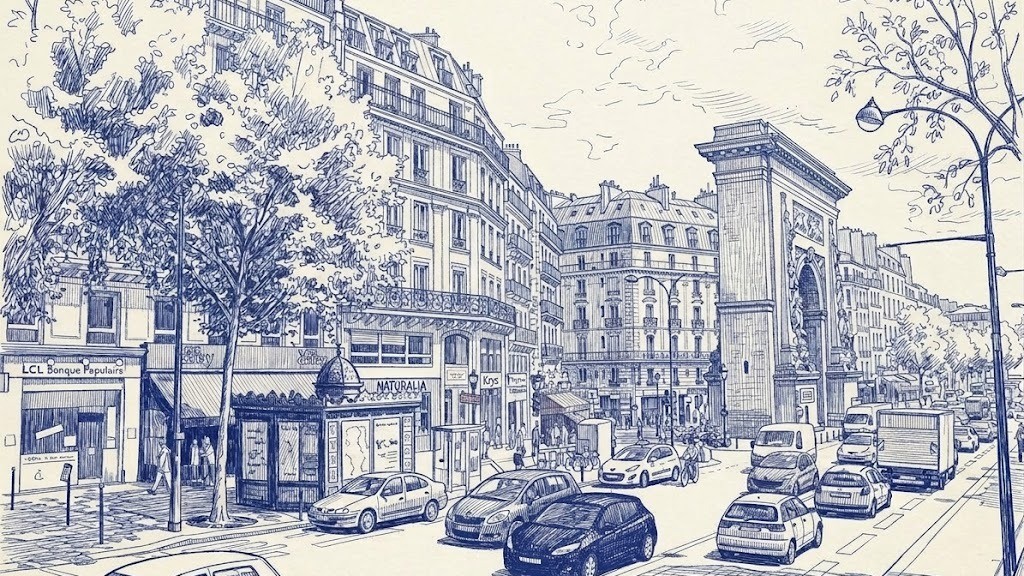
Rue Turbigo: The Italian Battlefield, the Haussmann Axis and a Street of Two Arrondissements
Rue Turbigo : Le champ de bataille italien, l'axe haussmannien et une rue de deux arrondissements
Rue du Louvre: The Museum's Shadow, the Press Quarter and a Street on the Border of Two Worlds
Rue du Louvre : L'ombre du musée, le quartier de la presse et une rue à la frontière de deux mondes
Rue Saint-Denis: The Royal Road to the Basilica, the City Gates and a Street of Two Thousand Years
Rue Saint-Denis : La voie royale vers la basilique, les portes de la ville et une rue de deux mille ans
Rue d'Alexandrie: Napoleon's Egypt, the Passage du Caire and the Orientalist Streets of the Sentier
Rue d'Alexandrie : L'Égypte de Napoléon, le passage du Caire et les rues orientalistes du Sentier
Rue Feydeau: The Theatre of Illusions, the Stock Exchange and a Street of Financial Memory
Rue des Jeûneurs : Le jeûne, le commerce textile et l'une des rues les plus méconnues du Sentier
Rue Beauregard: The Beautiful View, the Old City Wall and a Street of Quiet Northern Character
Rue de Cléry : L'ancienne muraille de Charles V, le commerce textile et une rue d'une profondeur médiévale
Rue du Sentier: The Path, the Textile Capital and the Digital Transformation of Central Paris
Rue Notre-Dame-des-Victoires : Dévotion mariale, place des Victoires et une rue d'héritage spirituel et commercial
Rue du Mail: The Royal Game, the Press District and One of the 2nd Arrondissement's Quietest Gems
Rue du Mail : Le jeu royal, le quartier de la presse et l'un des joyaux les plus discrets du 2e arrondissement
Rue d'Aboukir : Victoire napoléonienne, commerce textile et l'épine dorsale vivante du Sentier
Rue Saint-Augustin: Religious Heritage, the Financial Quarter and a Discreet Central Address
Rue Saint-Augustin : Héritage religieux, quartier financier et une adresse centrale discrète
Rue Étienne Marcel: Medieval Memory, Fashion Industry and a Street Between Two Arrondissements
Rue Étienne Marcel : Mémoire médiévale, industrie de la mode et une rue entre deux arrondissements
Rue des Petits-Champs: Medieval Fields, the Palais-Royal and a Street of Enduring Parisian Elegance
Rue des Petits-Champs : Des champs médiévaux, le Palais-Royal et une rue d'élégance parisienne durable
Rue Vivienne: The Bourse, the Bibliothèque and a Street of Quiet Distinction in the 2nd Arrondissement
Rue Vivienne : La Bourse, la Bibliothèque nationale et une rue de distinction tranquille dans le 2e arrondissement
Rue Montmartre: An Ancient Road, the Newspaper Trade and the Living Heart of the 2nd Arrondissement
Rue Montmartre : Une route ancestrale, le commerce de la presse et le cœur vivant du 2e arrondissement
Rue du Quatre-Septembre: The Birth of the Republic, the Opéra Quarter and a Prime Business Address
Rue du Quatre-Septembre : La naissance de la République, le quartier de l'Opéra et une adresse professionnelle prime
Rue Réaumur: Scientific Legacy, Art Nouveau Architecture and the Press District of the 2nd Arrondissement
Rue Réaumur : Héritage scientifique, architecture Art Nouveau et quartier de la presse du 2e arrondissement
Boulevard des Italiens: Fashion, Finance and the Most Elegant Address on the Grands Boulevards
Boulevard des Italiens: Fashion, Finance and the Most Elegant Address on the Grands Boulevards
Boulevard Poissonnière: The Fish Road, the Press District and a Resilient Central Address
Boulevard Poissonnière : La route du poisson, le quartier de la presse et une adresse centrale résiliente
Boulevard Bonne-Nouvelle: Religious Origins, Cinema History and a Central Residential Micro-Market
Boulevard Bonne-Nouvelle : Origines religieuses, histoire du cinéma et micro-marché résidentiel central
Boulevard Montmartre: Commerce, Culture and Residential Stability at the Heart of the Grands Boulevards
Boulevard Montmartre : Commerce, culture et stabilité résidentielle au cœur des Grands Boulevards
Rue Bertin-Poirée: Medieval Origins, Seine Commerce and Historic Continuity in Paris’s 1st Arrondissement
Rue de la Ferronnerie : Commerce médiéval, drame royal et continuité urbaine dans le 1er arrondissement de Paris
Rue de la Ferronnerie: Medieval Commerce, Royal Tragedy and Urban Continuity in Paris’s 1st Arrondissement
Rue Bailleul : Développement historique, proximité du Louvre et stabilité résidentielle dans le 1er arrondissement de Paris
Rue Bailleul: Louvre Adjacency, Historic Urban Fabric and Residential Stability in Paris’s 1st Arrondissement
Rue des Prêtres-Saint-Germain-l’Auxerrois : Histoire paroissiale royale, origines médiévales et rareté résidentielle dans le 1er arrondissement
Rue des Prêtres-Saint-Germain-l’Auxerrois: Royal Parish History, Medieval Origins and Residential Rarity in Paris’s 1st Arrondissement
Rue Croix-des-Petits-Champs : Proximité royale, routes commerciales historiques et prestige résidentiel dans le 1er arrondissement de Paris
Rue Croix-des-Petits-Champs: Royal Proximity, Historic Trade Routes and Residential Prestige in Paris’s 1st Arrondissement
Rue Coquillière : Origines commerciales, héritage des Halles et transformation résidentielle dans le 1er arrondissement de Paris
Rue Coquillière: Commercial Origins, Halles Market Legacy and Residential Transformation in Paris’s 1st Arrondissement
Rue de l’Oratoire : patrimoine religieux, proximité du Louvre et stabilité résidentielle dans le 1er arrondissement de Paris
Rue de l’Oratoire: Religious Heritage, Louvre Proximity and Prime Residential Stability in Paris’s 1st Arrondissement
Rue des Déchargeurs : commerce fluvial, logistique médiévale et évolution immobilière dans le 1er arrondissement de Paris
Rue des Déchargeurs: River Commerce, Medieval Logistics and Real-Estate Evolution in Paris’s 1st Arrondissement
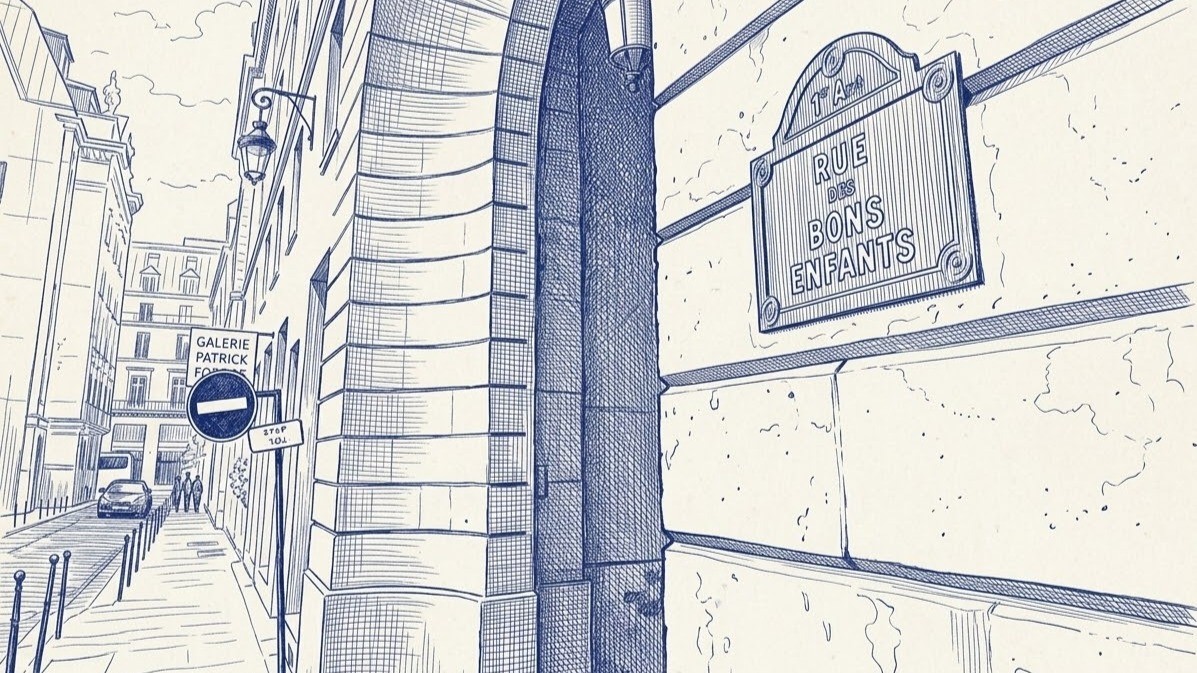
Rue des Bons-Enfants : administration royale, institutions culturelles et stabilité immobilière dans le 1er arrondissement de Paris
Rue des Bons-Enfants: Royal Administration, Cultural Institutions and Real-Estate Stability in Paris’s 1st Arrondissement
Rue du Jour : héritage du marché, transformation des Halles et évolution résidentielle dans le 1er arrondissement de Paris
Rue du Jour: Market Heritage, Les Halles Transformation and Residential Evolution in Paris’s 1st Arrondissement
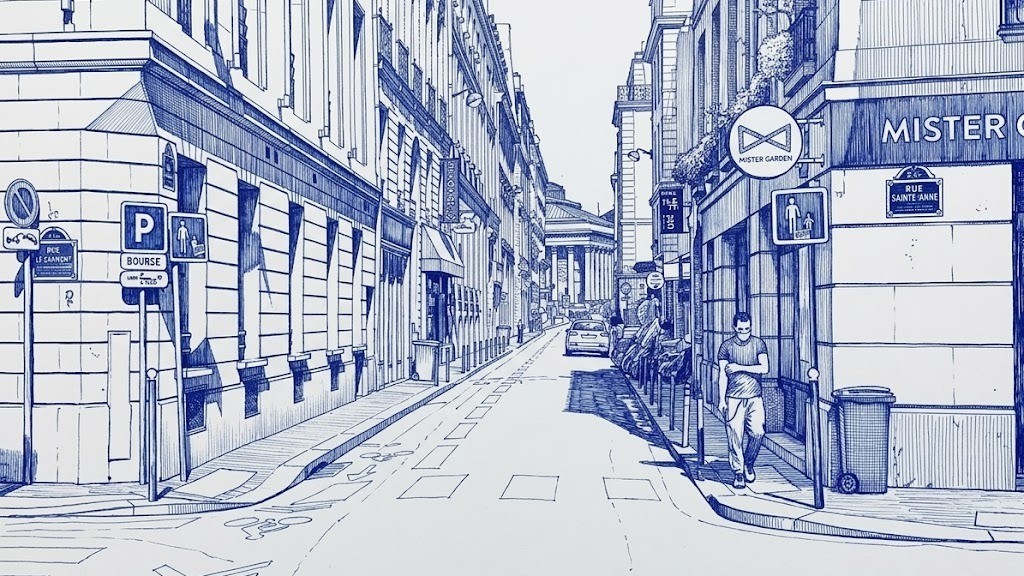
Rue Sainte-Anne : carrefour culturel, commerce parisien historique et demande résidentielle dans le 1er arrondissement
Rue Sainte-Anne: Cultural Crossroads, Historic Parisian Commerce and Residential Demand in the 1st Arrondissement
rue de l’arbre-sec : origines médiévales, proximité royale et stabilité résidentielle prime dans le 1er arrondissement de paris
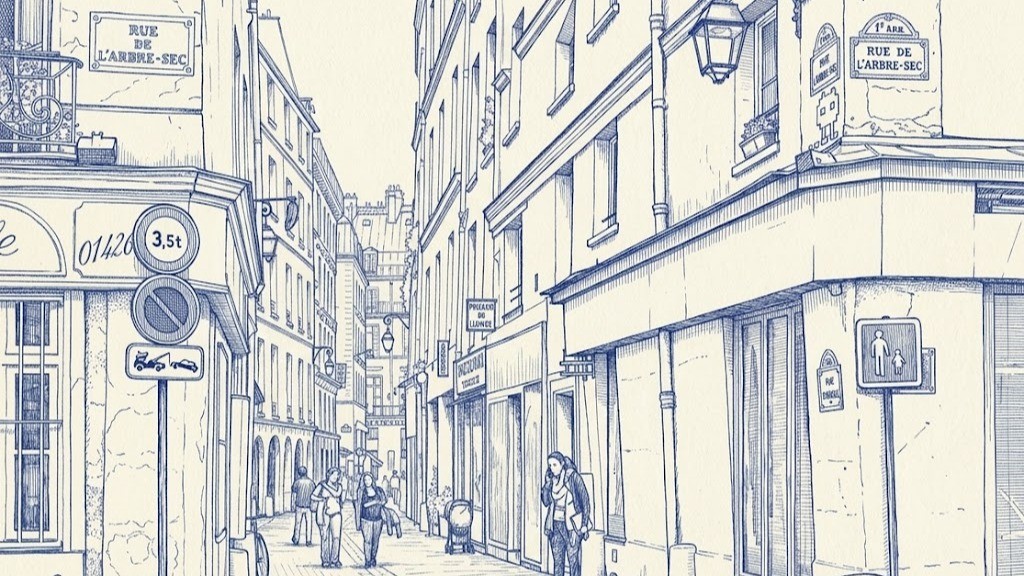
Rue de l’Arbre-Sec: Medieval Origins, Royal Proximity and Prime Residential Stability in Paris’s 1st Arrondissement
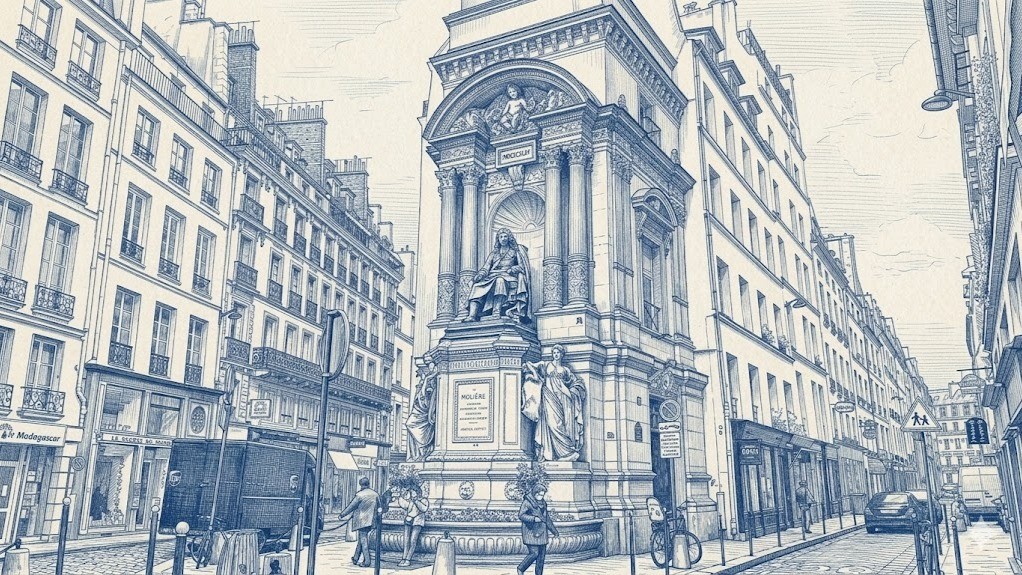
Rue Molière : héritage littéraire, proximité du Palais-Royal et stabilité résidentielle dans le 1er arrondissement de Paris
Rue Molière: Literary Heritage, Palais-Royal Proximity and Prime Residential Stability in Paris’s 1st Arrondissement
No items found.
No items found.
No items found.
No items found.
No items found.
No items found.
No items found.
No items found.
No items found.
Rue Dussoubs: The Republican Martyr, the Coup of 1851 and a Street Named for Political Sacrifice
Rue Française: The Most Patriotic Name in the Arrondissement and a Street of Ancient Commercial Identity
Rue Palestro: The Battle in Algeria, Napoleon III's Naming and the Eastern Sentier's Quietest Street
Rue des Petits-Carreaux: The Small Tiles, the Market Tradition and a Street of Living Commerce
Rue Blondel: The Architect of the Porte Saint-Denis, His Street and a Legacy in Stone
Rue Greneta: A Medieval Name Without a Clear Origin and a Street at the Crossroads of Three Worlds
Rue des Degrés: The Shortest Street in Paris and the Most Extraordinary Address in the 2nd Arrondissement
Rue de la Jussienne: The Lost Chapel, the Corn Market and a Street of Forgotten Commerce
Rue Léopold-Bellan: The Mayor Who Built His District and a Street of Civic Memory
Rue Mandar: The Architect of Passages, His Street and the Covered Arcade Legacy
Rue de la Lune: The Moon, the Northern Sentier and a Street of Singular Poetic Identity
Rue du Nil: Napoleon's River, the Food Revolution and Paris's Most Celebrated Dining Street
Rue Marie-Stuart: The Queen of Scots, the Linen Trade and a Medieval Street Hiding in Plain Sight
Rue des Filles-Saint-Thomas: The Convent, the Bourse and a Street of Institutional Transformation
Rue Tiquetonne: A Medieval Name, a Fashion Village and the Most Intimate Street in the Southern Sentier
Rue du Croissant: The Moon, the Newspaper Trade and the Night Capital of the Parisian Press
Rue de la Banque: The Name Says Everything and the Street Delivers
Rue du Caire: Egyptomania, the Oldest Passage in Paris and the Heart of the Orientalist Sentier
Rue Turbigo: The Italian Battlefield, the Haussmann Axis and a Street of Two Arrondissements
Rue du Louvre: The Museum's Shadow, the Press Quarter and a Street on the Border of Two Worlds
Rue Saint-Denis: The Royal Road to the Basilica, the City Gates and a Street of Two Thousand Years
Rue d'Alexandrie: Napoleon's Egypt, the Passage du Caire and the Orientalist Streets of the Sentier
Rue Feydeau: The Theatre of Illusions, the Stock Exchange and a Street of Financial Memory
Rue Beauregard: The Beautiful View, the Old City Wall and a Street of Quiet Northern Character
Rue du Sentier: The Path, the Textile Capital and the Digital Transformation of Central Paris
Rue du Mail: The Royal Game, the Press District and One of the 2nd Arrondissement's Quietest Gems
Rue Saint-Augustin: Religious Heritage, the Financial Quarter and a Discreet Central Address
Rue Étienne Marcel: Medieval Memory, Fashion Industry and a Street Between Two Arrondissements
Rue des Petits-Champs: Medieval Fields, the Palais-Royal and a Street of Enduring Parisian Elegance
Rue Vivienne: The Bourse, the Bibliothèque and a Street of Quiet Distinction in the 2nd Arrondissement
Rue Montmartre: An Ancient Road, the Newspaper Trade and the Living Heart of the 2nd Arrondissement
Rue du Quatre-Septembre: The Birth of the Republic, the Opéra Quarter and a Prime Business Address
Rue Réaumur: Scientific Legacy, Art Nouveau Architecture and the Press District of the 2nd Arrondissement
Boulevard des Italiens: Fashion, Finance and the Most Elegant Address on the Grands Boulevards
Boulevard des Italiens: Fashion, Finance and the Most Elegant Address on the Grands Boulevards
Boulevard Poissonnière: The Fish Road, the Press District and a Resilient Central Address
Boulevard Bonne-Nouvelle: Religious Origins, Cinema History and a Central Residential Micro-Market
Boulevard Montmartre: Commerce, Culture and Residential Stability at the Heart of the Grands Boulevards
Rue Bertin-Poirée: Medieval Origins, Seine Commerce and Historic Continuity in Paris’s 1st Arrondissement
Rue de la Ferronnerie: Medieval Commerce, Royal Tragedy and Urban Continuity in Paris’s 1st Arrondissement
Rue Bailleul: Louvre Adjacency, Historic Urban Fabric and Residential Stability in Paris’s 1st Arrondissement
Rue des Prêtres-Saint-Germain-l’Auxerrois: Royal Parish History, Medieval Origins and Residential Rarity in Paris’s 1st Arrondissement
Rue Croix-des-Petits-Champs: Royal Proximity, Historic Trade Routes and Residential Prestige in Paris’s 1st Arrondissement
Rue Coquillière: Commercial Origins, Halles Market Legacy and Residential Transformation in Paris’s 1st Arrondissement
Rue de l’Oratoire: Religious Heritage, Louvre Proximity and Prime Residential Stability in Paris’s 1st Arrondissement
Rue des Déchargeurs: River Commerce, Medieval Logistics and Real-Estate Evolution in Paris’s 1st Arrondissement
Rue des Bons-Enfants: Royal Administration, Cultural Institutions and Real-Estate Stability in Paris’s 1st Arrondissement
Rue du Jour: Market Heritage, Les Halles Transformation and Residential Evolution in Paris’s 1st Arrondissement
Rue Sainte-Anne: Cultural Crossroads, Historic Parisian Commerce and Residential Demand in the 1st Arrondissement
Rue de l’Arbre-Sec: Medieval Origins, Royal Proximity and Prime Residential Stability in Paris’s 1st Arrondissement
Rue Molière: Literary Heritage, Palais-Royal Proximity and Prime Residential Stability in Paris’s 1st Arrondissement
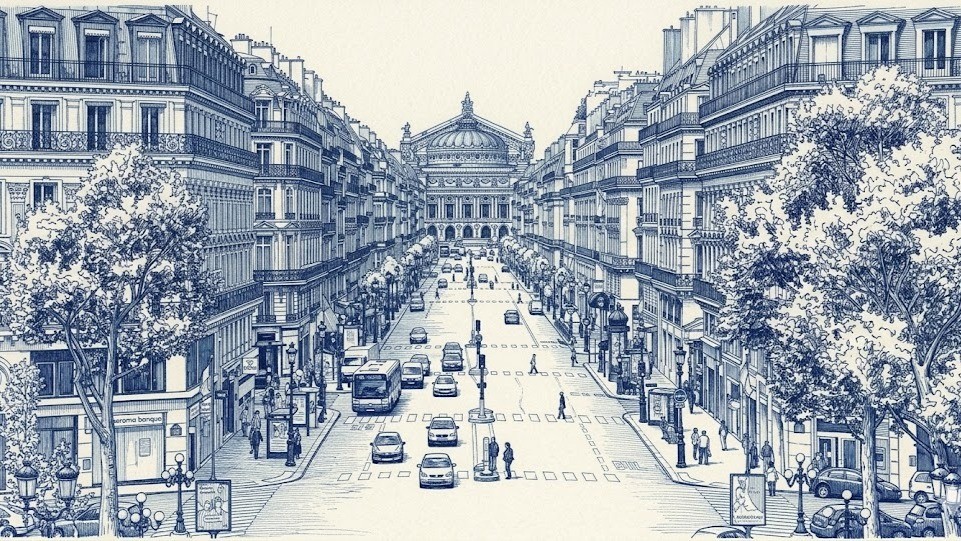
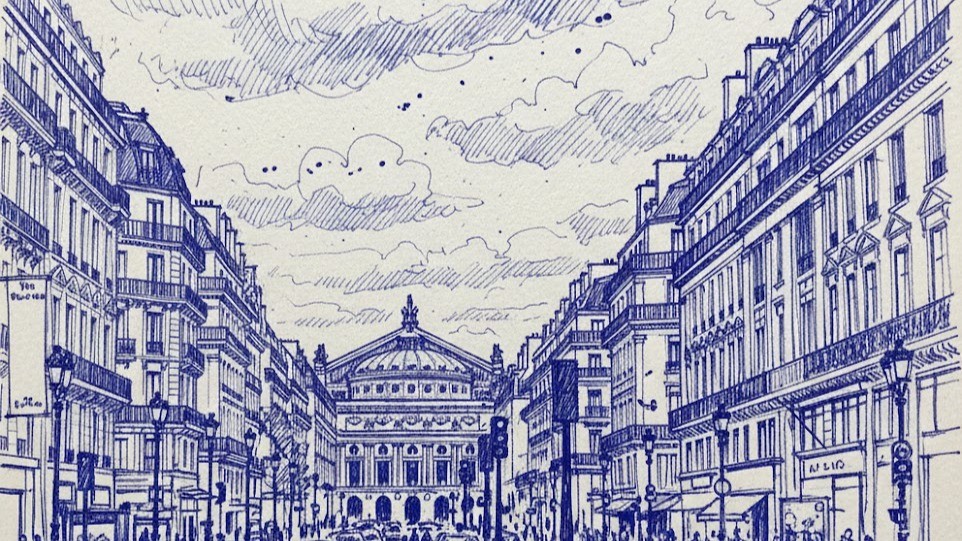
Avenue de l’Opéra: Haussmannian Perspective, Imperial Urbanism and Prime Real-Estate Density in Paris’s 1st Arrondissement
Rue du Mont-Thabor: Tuileries Proximity, Discreet Luxury and Structured Prime Stability in Paris’s 1st Arrondissement
Rue de l’Échelle: Louvre Adjacency, Administrative Gravity and Compact Prime Density in Paris’s 1st Arrondissement
Rue des Petits-Champs: Financial Heritage, Palais-Royal Proximity and Structured Prime Residential Stability in Paris’s 1st Arrondissement
Rue des Pyramides: Napoleonic Symbolism, Tuileries Axis and Structured Prime Density in Paris’s 1st Arrondissement
Rue de Valois: Institutional Prestige, Palais-Royal Sovereignty and Controlled Prime Valuation in Paris’s 1st Arrondissement
Rue Cambon: Couture Power, Place Vendôme Gravity and Ultra-Prime Micro-Segmentation in Paris’s 1st Arrondissement
Rue de Castiglione: Imperial Alignment, Place Vendôme Proximity and High-Density Prime Valuation in Paris’s 1st Arrondissement
Avenue Beaucour: Ultra-Discrete Residential Micro-Scale and Hidden Value within the Parc Monceau Perimeter of Paris’s 8th Arrondissement
Avenue Gourgaud: Discreet Residential Stability, Parc Monceau Proximity and Structured Mid-Prime Value in Paris’s 8th Arrondissement
Avenue des Ternes: Transitional Axis, Commercial Density and Structured Residential Arbitrage in Paris’s 8th Arrondissement
Boulevard des Courcelles: Haussmannian Ring, Parc Monceau Prestige and Segmented Residential Value in Paris’s 8th Arrondissement
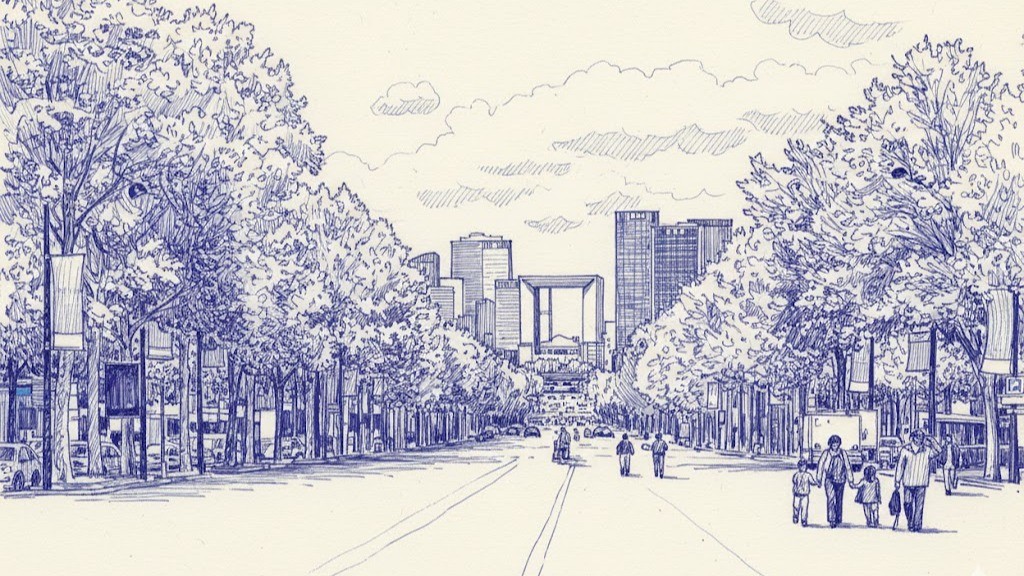
Avenue de la Grande Armée: Monumental Perspective, Napoleonic Symbolism and a Highly Segmented Real Estate Market at Paris’s Étoile
Avenue Myron Herrick: Diplomatic Micro-Address, American Legacy and High-Rarity Residential Value in Paris’s 8th Arrondissement
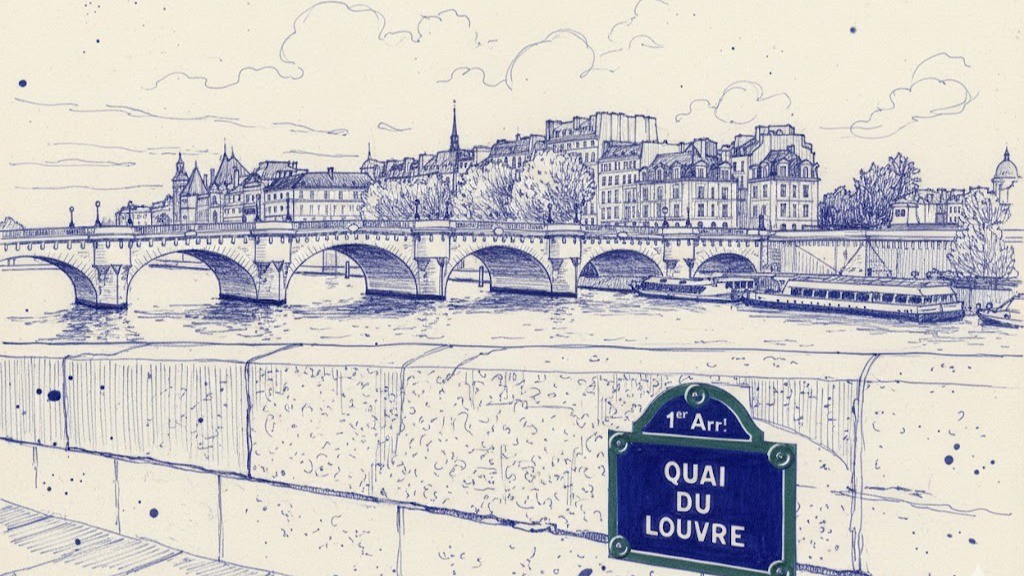
Quai du Louvre: Royal Riverfront, Institutional Continuity and Premium Valuation Along the Seine in Paris’s 1st Arrondissement
Rue Étienne Marcel: Medieval Authority, Commercial Transformation and a High-Liquidity Micro-Market in Paris’s 1st Arrondissement
Avenue Victoria: Administrative Power, Haussmannian Continuity and the Structured Residential Market Near Hôtel de Ville
Avenue de l’Opéra: Haussmannian Vision, Institutional Power and the Structured Real Estate Market of Paris’s 1st Arrondissement
Avenue Franklin D. Roosevelt: Monumental Axis, Institutional Power and Controlled Prestige in Paris’s 8th Arrondissement
Avenue de Messine: Diplomatic Prestige, Parc Monceau Proximity and a Quiet Stronghold of the 8th Arrondissement
Avenue César Caire: A Discreet Residential Pocket Near Parc Monceau in Paris’s 8th Arrondissement
Rue de la Ferronnerie: Royal Tragedy, Medieval Commerce and One of the Most Historically Charged Streets in Paris’s 1st Arrondissement
Rue des Bourdonnais: Medieval Power, Commercial Persistence and a Highly Complex Residential Market in Paris’s 1st Arrondissement
Rue Coquillière: Market Heritage, Commercial Continuity and a Deeply Segmented Residential Micro-Market in Central Paris
Rue Croix-des-Petits-Champs: Royal Origins, Financial Gravity and a Highly Strategic Residential Market in Paris’s 1st Arrondissement
Rue Jean-Jacques Rousseau: Enlightenment Legacy, Urban Transition and a Highly Uneven Residential Market in Paris’s Historic Core
Rue du Bouloi: Quiet Centrality, Courtyard Living and a Discreet Residential Market Between the Louvre and Palais-Royal
Rue de l’Arbre-Sec: Medieval Origins, Artisan Memory and a Rare Residential Market at the Edge of the Louvre
Rue Vernet: Painterly Namesake, Residential Consistency and a Calm Family Market Near the Arc de Triomphe
Rue des Bourdonnais: Medieval Power, Commercial Persistence and a Highly Complex Residential Market in Paris’s 1st Arrondissement Thomas Herremans
Rue Bayard: Chivalric Legacy, Mixed Prestige and a Quietly Strategic Residential Street in Paris’s 8th Arrondissement
Rue Clément Marot: Literary Tribute, Residential Elegance and a Quiet Premium Street in Paris’s 8th Arrondissement
Rue Jean Goujon: Sculptural Heritage, Architectural Rarity and One of Paris’s Most Confidential Residential Streets
Rue Quentin-Bauchart: Residential Depth, Architectural Consistency and One of the Golden Triangle’s Most Understated Streets
Rue Pierre Charron: Philosophical Naming, Golden Triangle Exposure and One of the Most Active Residential Markets in Paris’s 8th Arrondissement
Rue de Marbeuf: Aristocratic Origins, Golden Triangle Transition and a Highly Exposed Residential Market in Paris’s 8th Arrondissement
Rue Lincoln: Diplomatic Symbolism, Residential Restraint and a Confidential Market Near the Champs-Élysées
Rue de Marignan: Military Memory, Golden Triangle Geography and a High-Value Residential Micro-Market in Paris’s 8th Arrondissement
Rue de Berryer: Political Residence, Bourgeois Discretion and One of the Most Confidential Streets of Paris’s 8th Arrondissement
Rue Balzac: Literary Heritage, Haussmannian Prestige and a Strategic Residential Axis in Paris’s 8th Arrondissement
Rue Lord Byron: Literary Naming, Golden Triangle Proximity and a Discreet Residential Micro-Market in Paris’s 8th Arrondissement
Rue d’Artois: Aristocratic Naming, Bourgeois Continuity and a Quiet Residential Market in Paris’s 8th Arrondissement
Rue de Penthièvre: Aristocratic Origins, Institutional Gravity and a Quiet Residential Micro-Market in Paris’s 8th Arrondissement
Rue de Naples: Discreet Haussmannian Living and Residential Stability in Paris’s 8th Arrondissement
Rue de Miromesnil: Political Proximity, Residential Depth and One of the Most Segmented Markets in Paris’s 8th Arrondissement
Rue de Courcelles: Bourgeois Continuity, Literary Presence and One of the Most Structuring Residential Axes of Western Paris
Rue du Louvre: From Royal Administration to Contemporary Transformation in Paris’s 1st Arrondissement
Rue de Rivoli: Imperial Order, Architectural Control and One of Paris’s Most Regulated Residential Markets
Rue Saint-Honoré: Power, Revolution and One of Paris’s Most Structuring Real-Estate Axes
Owner
Seller
Buyer
Paris
Florida
Investor
Paris
Floride
Landlord
Vertical extension
Vision
Meet Thomas
Blog
Contact
Français
English
.jpeg)